
- The pace is picking up a little….keep practicing and add these new steps to your workout!
Please remember to do the warm-up as well as sessions 1-2 before doing this one and remember….practice makes perfect!

Please remember to do the warm-up as well as sessions 1-2 before doing this one and remember….practice makes perfect!
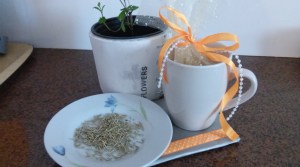
This very wonderfully smelling herb is from the Mediterranean and is known for its use in flavoring chicken and lamb, as well as bodily fragrances. Rosemary or Rosmarinus officinalis (its scientific name) is a fantastic source of iron, vitamin B6 and calcium.
It is usually dried (as pictured above) as a whole herb or a dried powdered extract. I enjoy it as a tea quite often. In addition to tea, rosemary leaves, fresh or dried, can also be used to make liquid extracts. At large doses though, the extact may yield toxicity, causing gastrointestinal irritation.
Rosemary is a part of the mint family and has similarities to the herb thyme. Among its ancient health benefits, such as contributing to the decrease in muscle pain, a memory booster, immune and circulatory system promoter, and hair growth stimulater, there are some other great reasons to become acquainted with rosemary.
Daily dosage:
It has been studied in doses of 4 to 6 g/day for the dried leaves (roughly 2.5-3.5 tablespoons of fresh leaves) and 0.1 to 1 ml for the essental oil. In measurements for cooking and tea, the herb is relatively safe, but as always, consult your healthcare provider before adding anything new to your health regimen. Take caution in pregnancy and lactation with this herb. It has been reported that it may have emmenagogue and abortifacient effects. The risks may outweigh the benefits when used in pregnancy and lactation.
References:
http://www.medicalnewstoday.com/articles/266370.php
http://www.drugs.com/npp/rosemary.html
http://www.traditionaloven.com/foods/exchange/tbsp/g-gram/rosemary-fresh.html
Taptutor Tap Session 2

In my opinion, thyme is an herb that is underrated. I began using it shortly after I got married (probably in all the wrong ways), only because my parents bought me a spice rack, and a very nice one I might add! It sparked my interest in cooking a variety of dishes that I would not have ordinarily attempted at that age.
Thyme is full of thymol and carvacrol, which are organic compounds called phenols (where have we heard that before…see my previous health blogs on tumeric and cinnamon). These phenols have antiseptic and antimicrobial properties. Due to these properties, thyme is also effective in suppressing fungi and other microorganisms.
There was a study that was done in 2010 that demonstrated that thymol and carvacrol can lessen the drug resistance of the Salmonella and Staph aureus bacterial strains. This means that if you are given antibiotics that typically kill these bacteria, these substances in thyme will act as helpers.
Thyme has also been shown to have antioxidants which are potent enough to go against bacteria that cause acne. In patients with acute bronchitis and coughing with lots of phlegm production and coughing fits, a fluid extract in thyme reduced their respiratory symptoms. It also works for the stomach and relieves gas (I can testify to that, unfortunately).
Thyme is also one of the components in Zaatar seasoning. If you have never had Zaatar, you are really missing out! It has been around and has been used for natural healing for thousands of years. It tastes phenomenal with just olive oil on pita bread!
Zaatar is a mix of spices that is made up of dried thyme, oregano, sumac, toastd sesame seeds, salt and marjoram. All of these ingredients are champions on their own, but since our focus is on thyme, we won’t go there just yet. This spice is mainly consumed in eastern countries.
So how much should you use?
If you want to steam, here is a great recipe courtesy of Herbal Academy of New England’s website:
4 cups of water
Herbs of choice: thyme, rosemary, sage, etc.
Large towel
Drinking it as a tea (recipe courtesy of the Vintage Amanda website; modified by Taptutor)
1) Put the herb in your brewing container – about 1 tsp dried herbs per cup of water. For fresh herbs, use more.
2) Pour over water that’s just off the boil.
3) Very important – COVER. You need to cover your brewing container while the herbs are infusing. This traps all of the volatile oils in the tea, rather than evaporating in the air.
4) Infuse around 5 minutes. (This depends on the herb … if you want medicinal benefits, you may need to steep it longer so look it up in a herb book.)
5) Strain and serve.
So, hope you will give “thyme” a try next “time” you feel a cold coming on or have the above symptoms. I have tried the tea plenty this Winter with lemon and honey and it works very well for me at relieving these symptoms.
And oh, before I forget….my disclaimer!
Please check with your healthcare provider before starting, adding on or changing any of your medical therapy. This is not meant to be a cure but to help you in being informed about healthy alternatives.
References for further reading:
http://vigilantcitizen.com/vigilantreport/three-foods-ancient-times-miraculous-benefits/
http://herbalacademyofne.com/2014/01/8-herbal-home-remedies-for-colds-and-flu/
http://www.vintageamanda.com/2010/02/how-to-make-an-herbal-infusion/
Before we get started, always remember that when I post info, it is not meant to treat, diagnose or cure an illness. This information should also not take the place of what your healthcare provider has instructed you to do. Please always speak to your healthcare provider before beginning anything new, natural/prescription or otherwise.
Okay, so what is cinnamon and where does it come from? It is a spice that comes from the inner bark of a variety of trees from the genus Cinnamomum. Is is very versatile in that it can be used in savoury or sweet dishes. Some of the health benefits of cinnamon claim to be even supported by scientific research and this spice has been used for its medicinal properties for thousands of years.
The flavor of this spice comes from the essential oil that only makes up 0.5-1% of its composition. This oil is prepared by pounding and mashing the bark in sea water then distilling the mixture immediately. Both cinnamon’s taste and scent come from cinnamic aldehyde or cinnamaldehyde, which is about 90% of the essestial oil that comes from the bark. The cinnamaldehyde is responsible for most of cinnamon’s powerful effects on health and metabolism.
So how do we get the powder form of cinnamon? Since the spice comes from the bark of trees, once the inner bark is taken out and dried, it curls to form a stick. The stick can then be pulverized into the powder form. The picture below is of cinnamon from my kitchen. I have been using the more common, Cassia variety. Read more about it below.

There are two main types of cinnamon:
Claims to Fame as far as health benefits:
How do I get this spice?
It is better to use Ceylon “True” Cinnamon, but most supermarket cinnamon, which is cheaper, only have the Cassia variety. Ceylon can be found in some health food stores or on Amazon.
Precautions
Best to stick to small doses of the Cassia variety if this is used to avoid unwanted adverse effects. In patients with liver problems, due to the bleeding risk from the component coumarin (a blood thinner) that may be present in some Cassia varieties, the risk of toxicity and bleeding may be higher.
Also, patients with diabetes should be careful because of the blood glucose lowering action. Speak with your healthcare provider first so that you can monitor your blood sugars more closely and if needed, your healthcare provider can adjust any other anti-diabetic medications that you may be using at the same time.
References:
https://en.m.wikipedia.org/wiki/Cinnamon
http://authoritynutrition.com/10-proven-benefits-of-cinnamon/
Please check out my first tap session video and get a short work-out!
Whatever the reason, I hope you find it enjoyable and will take this journey with me, the Taptutor.
More videos to come and the skill level will increase as we go. Please follow my blog and subscribe to my YouTube Channel.
Enjoy the tap session!
Tumeric is such an amazing herb that I had to write more about it and the practical ways in which I use it on a daily basis in my home.
I have found truth to the claims that it is an immune system booster, great for alleviating pain, good for healthier looking skin, great for joint flexibility and so much more. It has been used for thousands of years and has been used in Ayurvedic medical practice in India. A few other things I did not know about it is that it supports healthy eyesight and that it supports healthy respiratory function.
How much tumeric should you take?
As always, you should ask your doctor, however, many doctors are not into non-pharmaceutical healing. I can only report to you what has been done by various individuals and ask that you be responsible and talk it through with your healthcare provider before trying anything. There are so many drug-drug and drug-herb interactions that it may also be helpful to download an app to your phone. Its great for preliminary information on interactions and is called “Natural Medicines Database”.
I have found various sources that say that to gain benefit from tumeric, you should use about 1 teaspoon a day of the ground dried root powder. 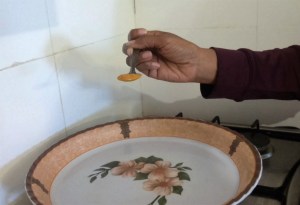
I buy tumeric from the grocery store in the spice section. Make sure to read the label so that you are getting 100% (or as close as possible). I suspect that a small amount is curcumin, about 2%, but just remember that all brands are not created equal. My label looks like this:

If you do your own research, you will find dosages vary a lot, mainly because some studies have used them for prevention of unwanted symptoms or disease and some studies used it in curative doses.
So how do I use it?
I like to take the juice of half of a lemon and a teaspoon of tumeric powder and put it in about 1/2 cup of room temperature water. Take it to the head then rinse it down with a half cup more of room temperature water. I use a good brand of bottled water with a pH a bit above 8. I do this about every other day. The lemon is good for liver detox and is high in vitamin C and other minerals. Both components are good for clearer skin. You will get the benefits of both. I do this first thing in the morning on an empty stomach and boy does it wake me up! You will find that others use ginger root with these two which you are welcome to do. I like to be able to keep it easy without having to chop or juice. I find that the easier it is, the more successful I am with sticking to it.
Another recipe: http://www.thesweeterthejuice.com/make-ginger-lemon-turmeric-wellness-shot/
More later on my recipe for an almost curry-like sauce that I love to make with pasta and my family loves it as well.
http://umm.edu/health/medical/altmed/herb/turmeric
Before we get tappin’, here is a quick warm-up video that will help you to get your body ready. Keep in mind that the more intense your dance session, of course the more you will need to prepare yourself through your warm-up. At this time, since we are in the beginning stage of the tap lessons, this short warm-up is sufficient. There will be more intensive warm-ups coming your way soon!


Who can take advantage of my work-outs:
So ready….Get set….Let’s Go! Do this first warm-up and I will see you in the next session where we will “tap it out” or “jazz it up”!

What is Tumeric 
Tumeric is a plant that is the main spice in curry. Most people know it for its bitter taste and its bright orange color. It has a sharp taste and smells like pepper. In addition to its use to flavor and color curry, its root is also used in the making of medications.
In addition to its antiinfective properties (antiviral, antibacterial, antifungal) tumeric is also loaded with protein and dietary fiber. It is packed with a host of vitamins and nutrients such as niacin, Vitamin C, Vitamin E, Vitamin K, potassium, calcium, copper, iron, magnesium and zinc. If that’s not enough, check out these additional uses.
Top 10 Claims to Fame
Prevents cancer
Helps to relieve inflammation such as in arthritis and has anti-oxidant properties to destroy free radicals.
Prevents liver disease
Controls diabetes
Prevents Alzheimer’s Disease
Reduces cholesterol level
My favorite- boosts the immune system
Can improve digestion
Heals wounds
Can help to maintain ideal body weight
Bonus: I have found it helpful with lemon juice to controlling acne!
How does it work
Some components in tumeric may help to decrease swelling (inflammation). Tumeric also has anti-oxidant properties which decrease free radicals that can damage the cells in our body.
Sources such as Web MD report that for most problems, tumeric has been used in doses of 500 mg twice a day and up to 500 mg four times a day. As with everything, it is not without side effects, however, I would rather use something natural that has been around for ages instead of popping a pill. Feel free to comment on your experience with this natural root.
References and further reading:
Top 10 Health Benefits of Tumeric

If you have always wanted to learn how to tap, whether on the beginner or advance-intermediate level, well here is your chance to take a journey with me, the Taptutor! This is a fun way for me to keep in shape and combine my love of dance and health!
After each session, I will share some of my many health tips and healthy recipes. Even though I am a pharmacist, I lean more toward a natural approach to maintaining health for me and my family.
In order to participate, you will need the following:
That’s it! So with that, I look forward soon to showing you how to tap in 2 life in a fun and creative way.
Sharing Ideas, Products, Programs and Interior design inspirer's
Health, fitness and fun via dance, nutrition and meditation
Dancing to Make a Difference in the Lives of Indiviuals, Families & Communities!
THIS SITE IS ABOUT ME, MY CREATIVITY, MY IMAGINATION AND MY FEELINGS.
Dance is what we know! Come and join a dance studio known by the community for it's proven teaching methods, integrity and award winning dance troupe!
love yourself and enjoy your optimal weight
Profanity Free Street Music
 tapin2life.com