

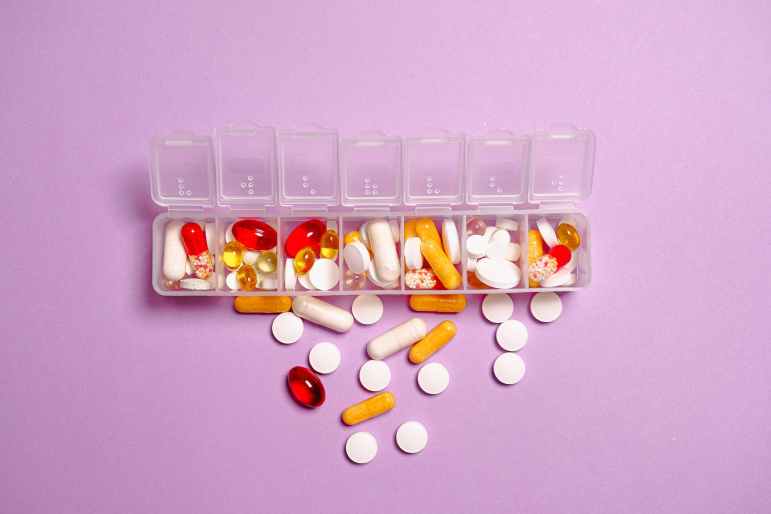
We’ve all heard the saying, too much of a good thing can be a bad thing. This can apply to anything in life. We’re always seeking to strike a balance and this is especially crucial when it comes to our lifestyle, most importantly spirituality, physical health and mental well-being. We must understand that all of these make up the whole.
If there is an imbalance, meaning too little or too much, it can be catastrophic to our health and overall quality of life. The health industry does a far better job in educating about vitamin and mineral deficiencies than it does about having too much of these vitamins and minerals and the dangerous effects that we can suffer.
Too much of a good thing can be a bad thing
Keep in mind that there are 13 essential vitamins — vitamins A, C, D, E, K, and the B vitamins (thiamine, riboflavin, niacin, pantothenic acid, biotin, B6, B12, and folate).
Hypervitaminoisis is an abnormal state resulting from excessive intake of one or more vitamins (Merriam Webster). The cases of this are underreported because usually it is not considered as one of the first things in diagnostics of someone that presents with health complaints. Check out this link to an article that tells a detailed story of how the diagnosis was missed for quite a while of a woman who suffered from too much vitamin B6 intake from supplements.
Ideally we should get all of our vitamins and minerals that we don’t make with our food intake but most of us don’t due to the fast-paced lifestyle that we lead these days. The goal is to always eat a healthy and balanced diet, of course, but if and when we become deficient, we should know the signs of such deficiencies and have at least general knowledge of what each essential vitamin and mineral provides us. Please watch this short video by YouTuber Sciencerely as he speaks about the dangers of oversupplementation with vitamins.





Summary of safety tips for implementing vitamin supplementation if needed:
- If you feel you are deficient in a vitamin or mineral, first and foremost, talk to your health care provider to gain advice
- Make sure to get a blood draw, do not start supplements blindly
- If there is no blood draw that coincides with the vitamin, mineral or supplement, know which supplements are reputable (i.e., seek out reputable companies with a great track record of putting out the best and safest products).
- After the blood draw results are obtained (if applicable), go over the results with your health care provider to discuss what steps should be taken. Often times, we can cure deficiencies with eating a more healthy diet if it’s not a severe case of deficiency.
- DO YOUR RESEARCH!!! Know the recommended daily dosages for your age, gender and condition being treated and do not exceed this dosage.
- Always follow-up with subsequent blood draw(s) (if applicable) as needed with your health care provider and report any side effects that you may notice.
- In any case, try your best to maintain a healthy and balanced diet, keeping sugar, alcohol, fried foods, hydrogenated oils and overuse of sodium to a minimum.
If you’ve found this info helpful, please SHARE IT💖 , LIKE👍🏿, REPOST♻️ , COMMENT🗬 and YES, SUBSCRIBE✔️ by clicking Follow……Thanks so much for visiting, and please be a blessing and be blessed everyone!🙏🏿


 tapin2life.com