
The Cantaloupe

This fruit is so easy to start growing, even in my small window garden.  The seeds did not take long to sprout (about 5 days) and before I knew it, I had plants about 4 inches high.  I am not actually expecting for my plants to yield fruit while just growing them in my small window garden, but I just love to experiment with gardening and it is more of a hobby for me until I get some land to actually expand.

20160705_222911

These delicious and nutritious melons are usually oblong in shape, measure 4.5- 6.5 inches in diameter and weigh 450 – 850 gm. Its flesh ranges in color from orange-yellow to salmon and has a soft consistency.  Like most fruits, the riper it is the sweeter it is.   There are seeds in its hollow center that are off-white in color and surrounded by a network of stringy fibrous-like strands.

So, why have I decided to write about this melon…..well, for one it was on sale for a great price at the store and it is in season.  Usually the season starts in April and ends in August for cantaloupe.  I find that if you go with the flow and eat what is in season, you can reap more benefits from the fruit because it will be at its best, therefore, more nutritional benefits for us.  Being from America, I was used to having just about all kinds of produce available almost all year round.  It was not until I came to Israel that I realized that oranges are primarily harvested in the Winter! What!  Imagine the benefit we receive in the vitamin C boost going into the cold and flu season.

Reason number two that I purchased the cantaloupe melon is because of the many nutrients it contains and the health benefits:

  • Its very filling and therefore in my opinion helps to tame my appetite and only 34 calories per 100 grams
  • Cantaloupe is an excellent source of Vitamin A (100 g yields 3382 IU or about 112% of recommended daily levels).  Vitamin A is an excellent anti-oxidant and great for eye mucus membrane and skin health.
  • Due to the beta-carotene content, it may also be good protection against certain cancers (colon, prostate, breast, endometrial, lung, and pancreatic cancers).
  • As a moderate source of potassium (a very important electrolyte) it is important for cell and body fluids and helps control blood pressure and heart rate.  It may help to protect against stroke and coronary heart disease.  It provides 267 mg of potassium in a 100 gram serving.
  • If that is not enough, cantaloupe contains a good portion of B-complex vitamins.  Niacin, pantothenic acid and vitamin C plus other minerals like manganese take us right back to free radical fighters and antioxidant properties.
  • I have found that if I am feeling really weighed down, it really gives me a boost of energy to get me to the next meal and rehydrates me.  It is such a versatile fruit that you can cut it into cubes and eat it cold as a snack, with breakfast or as a dessert.

So, what are you waiting for…….can you give the cantaloupe a chance?  Let me know how you feel about it.  Don’t forget to comment, like and subscribe!

Reference:

http://www.nutrition-and-you.com/cantaloupe.html

“Sugar? Spice? No It’s Pumpkin…So Nice”

Pumpkin Seeds eaten raw have some amazingly super health benefits!


Pumpkin Royalty Free Stock Photography

Pumpkin seeds contain a vast amount of proteins, manganese, fibers, potassium and phosphor. They also are important for the immune system because of their high level of zinc.  And what do you know, like other things that are good for the immune system, they also help in the fight against cancer.

Other benefits of these amazing little seeds are as follows:  they repair our body’s damaged DNA, help to control diabetes and make our vision better.

The substances in the pumpkin seeds that have been used for treatment of various types of cancer in its early stages are Cucurbitacins.  These give the seed its potent anti-inflammatory properties also.  The zinc and phytosterols in pumpkin seeds help in the prevention of prostate cancer development. They are also beneficial in DNA repair.

What else?

Well, so glad you asked.  If the above benefits are not enough, pumpkin seeds also contain a large amount of nicotinic acid, trigonelline and D-chiro-inositol.  Nicotinic acid and D-chiro-inositol have been proven to control blood sugar, and D-chiro-inositol prevents the onset of diabetes also.

Since these little seeds also contain a lot of zinc, a lot of the common cold prevention products try to copy or mimic their zinc fighting action.  Zinc is so great for the immune function that the National Institutes of Health recommends 8 mg of zinc per day for women, which is about one cup of pumpkin seeds.

Last but not least, zinc allows vitamin A to travel from our liver to our retina (in the eye) to make melanin. Melanin is a pigment that protects our eyes.

Try the below tasty recipe in reference number 2 if you are like me and not SO excited about eating the seeds raw.  Of course you get the best health benefits eating them as is, but I guess I would rather get some of the benefit than none at all due to the thought of eating them raw… not too exciting!  This is one thing that I have reviewed that I am not so eager to try again as is….however, the great minerals and nutrients as well as health benefits gained from them are too great to let you all sleep on them.

References:

  1. http://complete-health-and-happiness.com/eating-raw-pumpkin-seeds-repair-dna-control-blood-sugar-spikes-improve-our-sight/
  2. http://www.seriouseats.com/recipes/2010/10/cinnamon-sugar-roasted-pumpkin-seeds-recipe.html


Pearly Whites Not So White?


You know, through the years our teeth can take a beating just like the rest of our body through just normal every day trauma.  Even trying our best to take care of them, over time, they lose that beautiful bright color that we once had as young children.  Well rest assure, there are some simple and inexpensive things we can do to enhance the appearance of our teeth, thus enhancing our smile!  It won’t even take a lot of time….just 3 minutes!

What you will need:

The juice from 1/2 of a lemon (preferably organic)
1/4 cup of baking soda (if you are preparing for Passover/Pesach, be careful that this goes out with the other Chametz)

Instructions:
Squeeze the lemon juice over your baking soda.
The mixture will begin to bubble and you should allow it to sit for a few minutes.
Use a cotton ball to place the mixture onto your teeth.
Only allow the mixture to stay on your teeth for about one minute.

After a minutes, brush your teeth as you normally would do to remove the acidic mixture.   Warning:  Do not let the mixture stay on your teeth indefinitely, it could cause erosion on your teeth.  Just remember that even natural products can have some adverse effects.

Check out the third reference on how often you should use the mixture.

I challenge you to try it and send in your before and after!  Tell how it worked (or maybe how it didn’t work) for you!

My Before Picture:

20160410_165138 (2)

Will post an after pic in a few weeks.

http://www.loveme.com.ng/2015/10/see-how-to-whiten-your-teeth-in-just-3.html

http://everydayroots.com/teeth-whitening-at-home

http://www.wikihow.com/Whiten-Teeth-With-Baking-Soda


All About Chia Seeds

20160306_134830

You all probably remember the famous “Ch-Ch-Ch-Chia”.  How many of us grew those chia plants back in the day and had no idea what it was?  Well, I have just become a user of these cool little seeds.  Top 8 reasons why to incorporate Chia Seeds into your daily diet:

  • One big reason is you get a lot for doing so little.  Chia seeds are packed with so many nutrients and very few calories.  They contain 11 grams of fiber, 4 grams of protein, 5 grams of Omega-3s out of the 9 grams of fat, 18% of the recommended daily allowance of Calcium (RDA), 30% of the RDA of Manganese, 27% of the RDA of Phosphorus, a generous amount of Zinc, Vitamin B3/Niacin, Potassium, Vitamin B1/Thiamine and Vitamin B2.
    • In just 1 ounce, you get a power-packed 137 calories (this is just 2 tablespoons).  Since a lot of these calories are fiber and may not be used by the body, these ends up being about 101 calories per ounce.  Chia seeds are usually grown organically and considered a “whole grain” food.  They are non-GMO and also gluten free without any manipulation.
  • Chia seeds have been found to have a high amount of anti-oxidants
  • As mentioned earlier, almost all of the calories are from fiber.  Since fiber won’t raise your blood sugar level, eating chia seeds doesn’t require so much usage of insulin because only a small percentage is actual carbs.  Fiber absorbs a lot of water and eating these seeds in other foods and drinks will “fill you up” so to speak.  This may lead to you eating fewer calories, thus, it may help in weight loss.
  • Chia seeds are high in protein which helps to keep you full and suppress apetite!
  • They are high in Omega-3-Fatty acids
  • May reduce your risk of heart disease and Type 2 diabetes
  • They contain nutrients that are healthy for bones.  This is important to me since I made a decision not to drink or give cow milk to my family.  I wanted another source of calcium and phosphorus.  These nutrients also include magnesium and protein in which Chia seeds contain a great amount.
  • These little seeds may cause improvement in Type 2 Diabetes patients due to their ability to significantly lower blood pressure and a marker for inflammation.

I hope you will give these little seeds a try, but before doing so, just consider that it is best taken in small amounts like an ounce or so mixed in with other food and drink.  Also, please consult your healthcare provider before introducing anything new.  This just keeps them in the loop and helps you to be safer!

References:

  1. https://authoritynutrition.com/11-proven-health-benefits-of-chia-seeds/
  2. https://www.nutrition.org/asn-blog/2012/03/the-real-scoop-on-chia-seeds/

Go Bananas Over Bananas!

There are so many health benefits to this simple fruit that comes in its own To Go package.  Out of all of the fruits that we eat in our home, this one is the one that I can never keep an adequate supply of.  Of course, that makes me happy as the Head of the Nutrition Department as just one of the hats that I wear in the household.  Why do I love bananas….?

20160219_162839

  1. If you are watching your weight, they are very helpful.   There are about 110 calories in a medium size banana and this yields about 30 grams of carbohydrates and 3 grams of fiber. The fiber and a type of starch that you do not digest helps to fill us up and helps us to not get so hungry.  This makes it a great in between meals snack.
  2. Eating bananas will increase your intake of vitamin C.  This is important because vitamin C providse an antioxidant effect, helps to protect collagen that helps to hold bones, muscles and other body tissues together, and is used to absorb iron and folate which keeps our gums healthy and aids in healing.
  3. Bananas are important for our intake of vitamin B6. Vitamin B6 is important for healthy cells because bananas help us make nonessential amino acids.  This wonderful fruit also helps produce insulin (for regulating our blood sugar), hemoglobin and antibodies that help in fighting infections.
  4. Have diarrhea?  This fruit is recommended by dietitians and physicians in the BRAT Diet (Bananas, Rice, Applesauce and Toast).  It will help to bulk up the stool so that you get relief from diarrhea.
  5. Bananas provide a lot of potassium, about 420 mg.  As you may know, potassium helps to lower blood pressure, which will help to decrease our risk of stroke.  We gain about 10% of the recommended daily adult requirement of potassium from a medium size banana (about 4,700 mg).
  6. Bananas are a mood booster due to the magnesium in them.  If you are low on this nutrient, you may be more likely to be depressed, anxious or irritable.  Who wants that?  Just a small banana will provide about 27 mg of magnesium.  Men need 420 mg and women 320 mg of magnesium per day.
  7. Bananas may help to influence serotonin levels, however, there is also some information that demonstrates that bananas may also help with sleeplessness because they contain magnesium and potassium.
  8. Have an itch or a bug bite?  The peel of the banana can be rubbed on the area.  This can also be used for psoriasis patches or poison ivy to help to relieve the itch and promote healing.
  9. Did you know that you can eat the banana peel….don’t know if I want to try this one but good to know.  The peel can be boiled for 10 minutes to extract even more fiber, antioxidants and nutrients.  After cleaning the peel then boiling, put it through the juicer or blend it with other fruits and veggies.
  10. And finally, bananas have a healthy amount of Vitamin A, iron and phosphorus.

One of my favorite quick dessert recipes that will not break the budget…Banana Cinnamon Cake with Coconut Cream (coconut cream and cinnamon optional).

20160219_111435

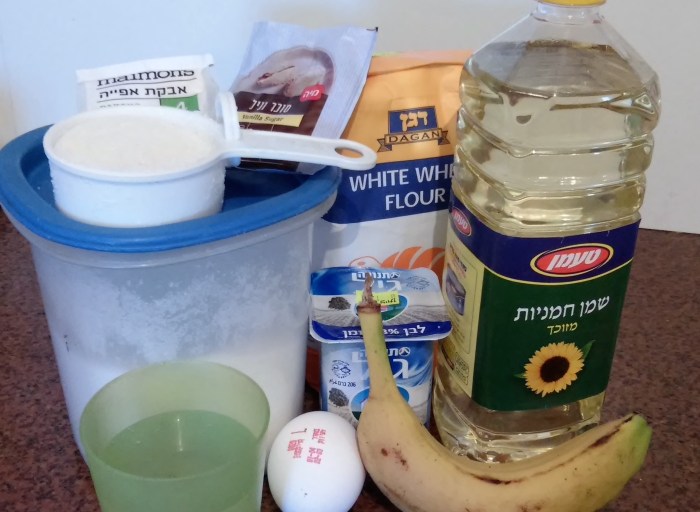
You will need the above ingredients, but don’t be afraid to experiment on the amounts:

  • Just 1 medium or large banana
  • 1 large egg (or 2 medium is best)
  • 3 tablespoons of oil ( I prefer sunflower oil)
  • 1 1/4 cups of white granulated sugar
  • Pinch of salt
  • Baking powder (1 1/4 packets) which is about 2 1/2-3 teaspoons
  • 2 tablespoons of sour cream
  • (Optional tablespoon of cinnamon and 2 tablespoons of coconut cream- not pictured)
  • Flour (as you add it will be about 2 cups but I like a thick batter so you may want less)
  • About 1 teaspoon of vanilla sugar or vanilla extract
  • About 1 cup of water (again, depends on the consistency of the batter you are comfortable with)

Directions:

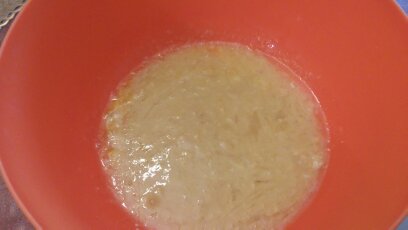
Smash the banana, add your egg(s), sugar, sour cream, oil cinnamon (optional) and coconut cream (optional).  Stir until you get a creamy like consistency.  Add baking powder, salt and vanilla and stir.  At this point, it will look something like this:

1455874323196

Now add 1/2 of your flour to make the mixture like the consistency of pancake batter.  Stir or mix with a hand mixer for about a minute until all lumps are gone.  If you sift your flour, you should do this first.  Add about 1/2 cup of water and stir until the mixture is well blended.  Repeat the process of adding the rest of the flour, mixing, adding the rest of the water, and mixing.  Now you will have a batter that is rather thick looking like a pound cake.  Pour the mixture into a medium size baking dish and bake for about 20-25 minutes at 325 degrees Fahrenheit.  Times may vary depending on your oven but do the toothpick test before taking it out.

Let the cake cool and if desired, add your favorite icing and toppings or just eat it as is.   Hope you enjoy this half naughty and half healthy quick dessert!  Comment and let me know if you tried it and the results and feel free to let me also know how you tweeked the recipe to put your own spin on it.  I would love to share it on my blog!

References:

  1. http://appforhealth.com/2013/05/health-benefits-of-bananas/
  2. http://www.livestrong.com/article/230722-banana-nutrition-guide/
  3. http://www.medicaldaily.com/health-benefits-bananas-and-their-peels-10-unusual-ways-use-entire-fruit-296454
  4. http://www.lifescript.com/food/articles/0/14_banana_health_benefits_you_might_not_know_about.aspx

Health Benefits of Rosemary

20160205_131948

This very wonderfully smelling herb is from the Mediterranean and is known for its use in flavoring chicken and lamb, as well as bodily fragrances.  Rosemary or Rosmarinus officinalis (its scientific name) is a fantastic source of iron, vitamin B6 and calcium.

It is usually dried (as pictured above) as a whole herb or a dried powdered extract.  I enjoy it as a tea quite often.  In addition to tea, rosemary leaves, fresh or dried, can also be used to make liquid extracts. At large doses though, the extact may yield toxicity, causing gastrointestinal irritation.

Rosemary is a part of the mint family and has similarities to the herb thyme. Among its ancient health benefits, such as contributing to the decrease in muscle pain, a memory booster, immune and circulatory system promoter, and hair growth stimulater, there are some other great reasons to become acquainted with rosemary.

  • Antioxidant benefits
  • Digestion
  • Brain function improvement
  • May promote eye health
  • Properties that may guard against Type 2 Diabetes
  • Antibacterial, antifungi, antimold, and antiviral properties.
  • Antispasmodic
  • Diaphoretic (fever reducer)
  • Stimulates hair growth and may prevent baldness

Daily dosage:

It has been studied in doses of 4 to 6 g/day for the dried leaves (roughly 2.5-3.5 tablespoons of fresh leaves) and 0.1 to 1 ml for the essental oil. In measurements for cooking and tea, the herb is relatively safe, but as always, consult your healthcare provider before adding anything new to your health regimen.  Take caution in pregnancy and lactation with this herb.  It has been reported that it may have emmenagogue and abortifacient effects. The risks may outweigh the benefits when used in pregnancy and lactation.

References:

http://www.medicalnewstoday.com/articles/266370.php

http://www.drugs.com/npp/rosemary.html

http://www.traditionaloven.com/foods/exchange/tbsp/g-gram/rosemary-fresh.html

Thyme is on Our Side

Fresh-thyme-herb-on-white-background-06181491A4A61D9D

In my opinion, thyme is an herb that is underrated.  I began using it shortly after I got married (probably in all the wrong ways), only because my parents bought me a spice rack, and a very nice one I might add!  It sparked my interest in cooking a variety of dishes that I would not have ordinarily attempted at that age.

Thyme is full of thymol and carvacrol, which are organic compounds called phenols (where have we heard that before…see my previous health blogs on tumeric and cinnamon).  These phenols have antiseptic and antimicrobial properties.  Due to these properties, thyme is also effective in suppressing fungi and other microorganisms.

There was a study that was done in 2010 that demonstrated that thymol and carvacrol can lessen the drug resistance of the Salmonella and Staph aureus bacterial strains.  This means that if you are given antibiotics that typically kill these bacteria, these substances in thyme will act as helpers.

Thyme has also been shown to have antioxidants which are potent enough to go against bacteria that cause acne.  In patients with acute bronchitis and coughing with lots of phlegm production and coughing fits, a fluid extract in thyme reduced their respiratory symptoms.  It also works for the stomach and relieves gas (I can testify to that, unfortunately).

Thyme is also one of the components in Zaatar seasoning.  If you have never had Zaatar, you are really missing out!  It has been around and has been used for natural healing for thousands of years.  It tastes phenomenal with just olive oil on pita bread!

Zaatar is a mix of spices that is made up of dried thyme, oregano, sumac, toastd sesame seeds, salt and marjoram.  All of these ingredients are champions on their own, but since our focus is on thyme, we won’t go there just yet.  This spice is mainly consumed in eastern countries.

So how much should you use?

If you want to steam, here is a great recipe courtesy of Herbal Academy of New England’s website:

Basic Steam Inhalation

Ingredients

4 cups of water
Herbs of choice: thyme, rosemary, sage, etc.
Large towel

Directions
  • In a large heat proof glass or ceramic bowl, add a generous handful of your herb/s of choice.
  • Pour the boiling water over the herbs, place face above bowl, and quickly throw towel over head. Use caution: start high above bowl to avoid burning face. 
  • Inhale the steam for approximately 10 minutes or more.

Drinking it as a tea (recipe courtesy of the Vintage Amanda website; modified by Taptutor)

1) Put the herb in your brewing container – about 1 tsp dried herbs per cup of water.  For fresh herbs, use more.

2) Pour over water that’s just off the boil.

3) Very important – COVER.  You need to cover your brewing container while the herbs are infusing.  This traps all of the volatile oils in the tea, rather than evaporating in the air.

4) Infuse around 5 minutes. (This depends on the herb … if you want medicinal benefits, you may need to steep it longer so look it up in a herb book.)

5) Strain and serve.

So, hope you will give “thyme” a try next “time” you feel a cold coming on or have the above symptoms.  I have tried the tea plenty this Winter with lemon and honey and it works very well for me at relieving these symptoms.


And oh, before I forget….my disclaimer!

Please check with your healthcare provider before starting, adding on or changing any of your medical therapy.  This is not meant to be a cure but to help you in being informed about healthy alternatives.

References for further reading:

http://vigilantcitizen.com/vigilantreport/three-foods-ancient-times-miraculous-benefits/

http://herbalacademyofne.com/2014/01/8-herbal-home-remedies-for-colds-and-flu/

http://www.vintageamanda.com/2010/02/how-to-make-an-herbal-infusion/


Health Benefits of Cinnamon…the Spicy Spice!

Before we get started, always remember that when I post info, it is not meant to treat, diagnose or cure an illness.  This information should also not take the place of what your healthcare provider has instructed you to do.  Please always speak to your healthcare provider before beginning anything new, natural/prescription or otherwise.

Okay, so what is cinnamon and where does it come from?  It is a spice that comes from the inner bark of a variety of trees from the genus Cinnamomum.  Is is very versatile in that it can be used in savoury or sweet dishes.  Some of the health benefits of cinnamon claim to be even supported by scientific research and this spice has been used for its medicinal properties for thousands of years.

The flavor of this spice comes from the essential oil that only makes up 0.5-1% of its composition.  This oil is prepared by pounding and mashing the bark in sea water then distilling the mixture immediately.  Both cinnamon’s taste and scent come from cinnamic aldehyde or cinnamaldehyde, which is about 90% of the essestial oil that comes from the bark.  The cinnamaldehyde is responsible for most of cinnamon’s powerful effects on health and metabolism.

So how do we get the powder form of cinnamon?  Since the spice comes from the bark of trees, once the inner bark is taken out and dried, it curls to form a stick.  The stick can then be pulverized into the powder form.  The picture below is of cinnamon from my kitchen.  I have been using the more common, Cassia variety.  Read more about it below.

20160127_142320

There are two main types of cinnamon:

  1. Ceylon Cinnamon or “true” cinnamon
  2. Cassia Cinnamon, the more common variety today that we think of as cinnamon

Claims to Fame as far as health benefits:

  • Full of antioxidants which protect from free radical damage because it is loaded with a substance called polyphenols (remember this from Tumeric)?.
  • Anti-inflammatory action that may also be due to its antioxidant effects and this may help to decrease the risk of disease.
  • Cinnamon may decrease heart disease.  It may help to reduce total cholesterol, LDL (bad) cholesterol and Triglycerides, while keeping HDL (good) cholesterol stable, with even as little as 120 mg per day.
  • This awesome spice can also improve sensitivity to the insulin hormone, which is one of the key hormones responsible for the regulation of our metabolism and use of energy.  Cinnamon can reduce insulin resistance, thus helping the insulin to do its job!  Blood sugar levels can decrease due to this action.
  • Cinnamon also can decrease the level of blood sugar, thus having a powerful anti-diabetic effect.  It can decrease how much glucose that enters into the bloodstream after eating by interfering with a number of enzymes that help us to digest food.  This slows down the break down of carbohydrates.  There is also a substance in cinnamon that can act on cells by acting like insulin.  If taken at doses as little as 1/2 teaspoon per day, you may be able to see these benefits.
  • It may show promise in neurodegenerative diseases such as aAlzheimer’s and Parkinson’s Disease.
  • May show some promise in protecting against cancer, but many more studies need to be done.
  • Cinnamaldehyde, the main active component of cinnamon may also help to fight bacterial and fungal infections.   Also can decrease bad breath and prevent tooth decay due to its antimicrobial effects.  Who can use better smelling breath right!

How do I get this spice?

It is better to use Ceylon “True” Cinnamon, but most supermarket cinnamon, which is cheaper, only have the Cassia variety.  Ceylon can be found in some health food stores or on Amazon.

Precautions

Best to stick to small doses of the Cassia variety if this is used to avoid unwanted adverse effects.  In patients with liver problems, due to the bleeding risk from the component coumarin (a blood thinner) that may be present in some Cassia varieties, the risk of toxicity and bleeding may be higher.

Also, patients with diabetes should be careful because of the blood glucose lowering action.  Speak with your healthcare provider first so that you can monitor your blood sugars more closely and if needed, your healthcare provider can adjust any other anti-diabetic medications that you may be using at the same time.

References:

https://en.m.wikipedia.org/wiki/Cinnamon

http://authoritynutrition.com/10-proven-benefits-of-cinnamon/

More Info about Tumeric

Tumeric is such an amazing herb that I had to write more about it and the practical ways in which I use it on a daily basis in my home.

I have found truth to the claims that it is an immune system booster, great for alleviating pain, good for healthier looking skin, great for joint flexibility and so much more.  It has been used for thousands of years and has been used in Ayurvedic medical practice in India.  A few other things I did not know about it is that it supports healthy eyesight and that it supports healthy respiratory function.

How much tumeric should you take?

As always, you should ask your doctor, however, many doctors are not into non-pharmaceutical healing.  I can only report to you what has been done by various individuals and ask that you be responsible and talk it through with your healthcare provider before trying anything.  There are so many drug-drug and drug-herb interactions that it may also be helpful to download an app to your phone.  Its great for preliminary information on interactions and is called “Natural Medicines Database”.

I have found various sources that say that to gain benefit from tumeric, you should use about 1 teaspoon a day of the ground dried root powder.  20160122_115521 (2)

I buy tumeric from the grocery store in the spice section.  Make sure to read the label so that you are getting 100% (or as close as possible).  I suspect that a small amount is curcumin, about 2%, but just remember that all brands are not created equal.  My label looks like this:

20160122_120358 (2)

If you do your own research, you will find dosages vary a lot, mainly because some studies have used them for prevention of unwanted symptoms or disease and some studies used it in curative doses.

So how do I use it?

I like to take the juice of half of a lemon and a teaspoon of tumeric powder and put it in about 1/2 cup of room temperature water.  Take it to the head then rinse it down with a half cup more of room temperature water.  I use a good brand of bottled water with a pH a bit above 8.  I do this about every other day.  The lemon is good for liver detox and is high in vitamin C and other minerals.  Both components are good for clearer skin.  You will get the benefits of both.  I do this first thing in the morning on an empty stomach and boy does it wake me up!  You will find that others use ginger root with these two which you are welcome to do.   I like to be able to keep it easy without having to chop or juice.  I find that the easier it is, the more successful I am with sticking to it.

Another recipe:  http://www.thesweeterthejuice.com/make-ginger-lemon-turmeric-wellness-shot/

More later on my recipe for an almost curry-like sauce that I love to make with pasta and my family loves it as well.

References:

http://www.turmericforhealth.com/general-info/ideal-turmeric-dosage-how-much-turmeric-can-you-take-in-a-day

http://umm.edu/health/medical/altmed/herb/turmeric


Health Benefits of Tumeric


What is Tumeric                                   20160120_115848

Tumeric is a plant that is the main spice in curry.  Most people know it for its bitter taste and its bright orange color.  It has a sharp taste and smells like pepper.  In addition to its use to flavor and color curry, its root is also used in the making of medications. 

In addition to its antiinfective properties (antiviral, antibacterial, antifungal) tumeric is also loaded with protein and dietary fiber.  It is packed with a host of vitamins and nutrients such as niacin, Vitamin C, Vitamin E, Vitamin K, potassium, calcium, copper, iron, magnesium and zinc.  If that’s not enough, check out these additional uses.

Top 10 Claims to Fame 

Prevents cancer

Helps to relieve inflammation such as in arthritis and has anti-oxidant properties to destroy free radicals.

Prevents liver disease

Controls diabetes

Prevents Alzheimer’s Disease

Reduces cholesterol level

My favorite- boosts the immune system

Can improve digestion

Heals wounds

Can help to maintain ideal body weight

Bonus:  I have found it helpful with lemon juice to controlling acne!

How does it work

Some components in tumeric may help to decrease swelling (inflammation).  Tumeric also has anti-oxidant properties which decrease free radicals that can damage the cells in our body.

Sources such as Web MD report that for most problems, tumeric has been used in doses of 500 mg twice a day and up to 500 mg four times a day.  As with everything, it is not without side effects, however, I would rather use something natural that has been around for ages instead of popping a pill.  Feel free to comment on your experience with this natural root.

References and further reading:

Top 10 Health Benefits of Tumeric

Web MD Review of Tumeric

Disclaimer:  As always, please remember to consult your doctor before using any medication, herbal or natural product/supplements.  If you are pregnant or nursing, please especially be cautious of using any medication, herbal or natural product/supplements without consulting your doctor.  This information is only to be used as a supplement to instructions given by your medical professional and you should always inform them of the usage of other medications, herbs or natural products/supplements.